Eugène J. Martin
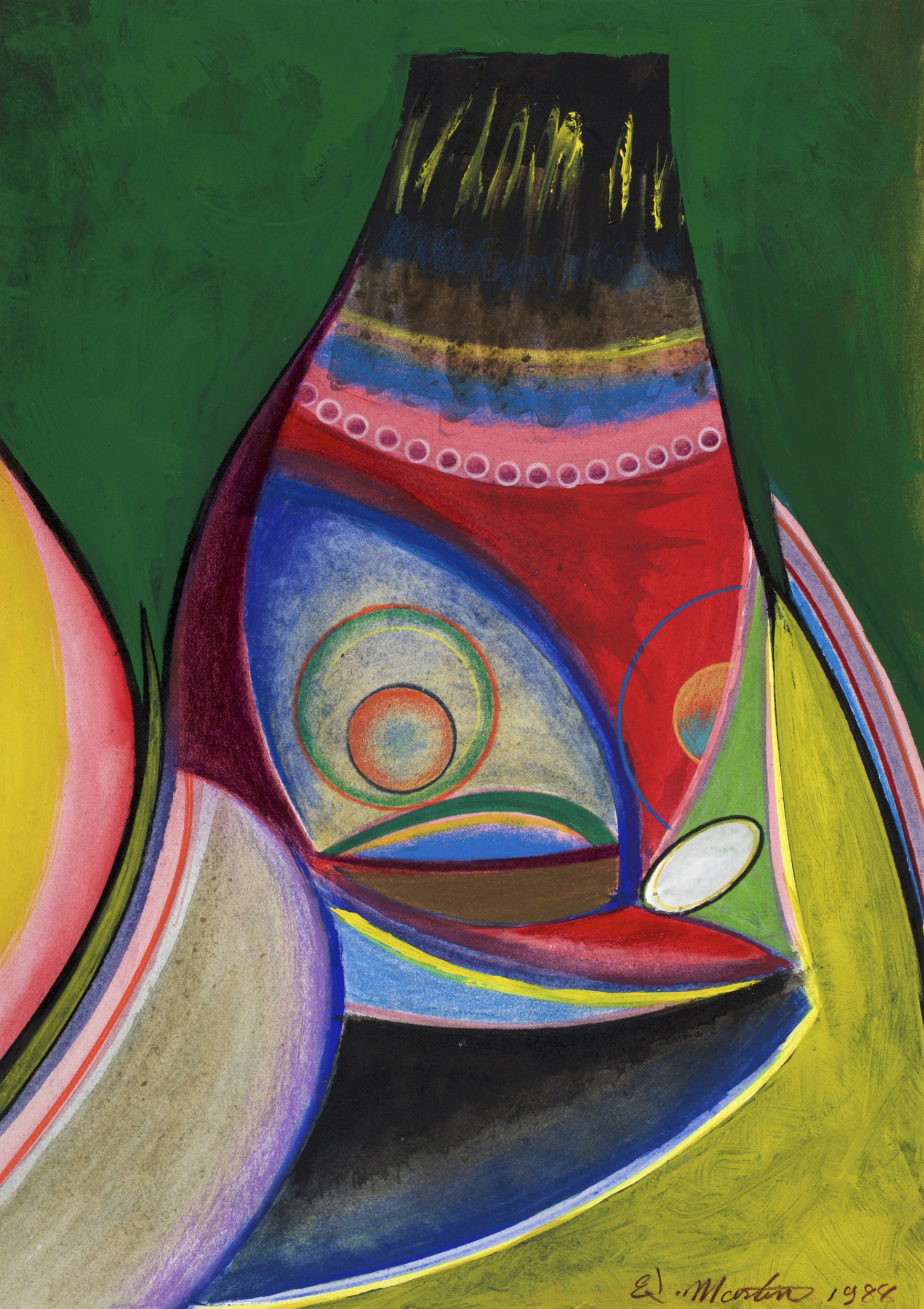
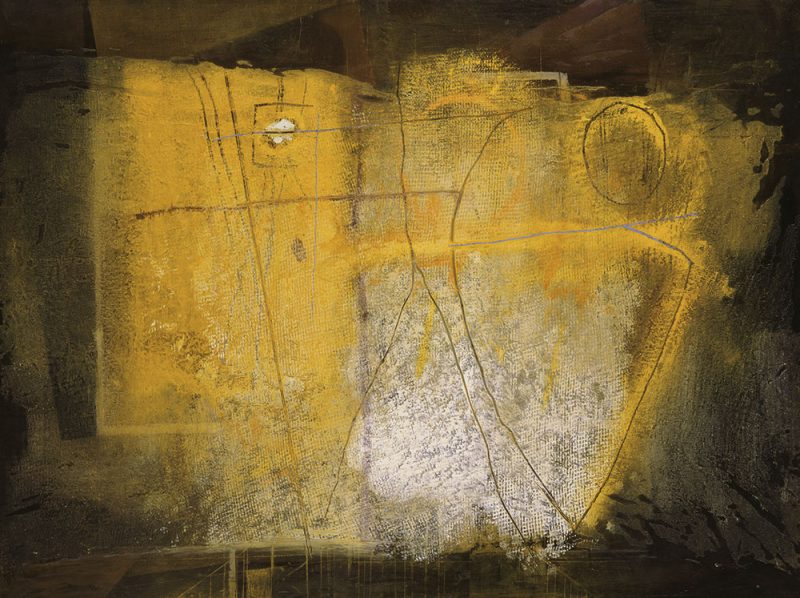
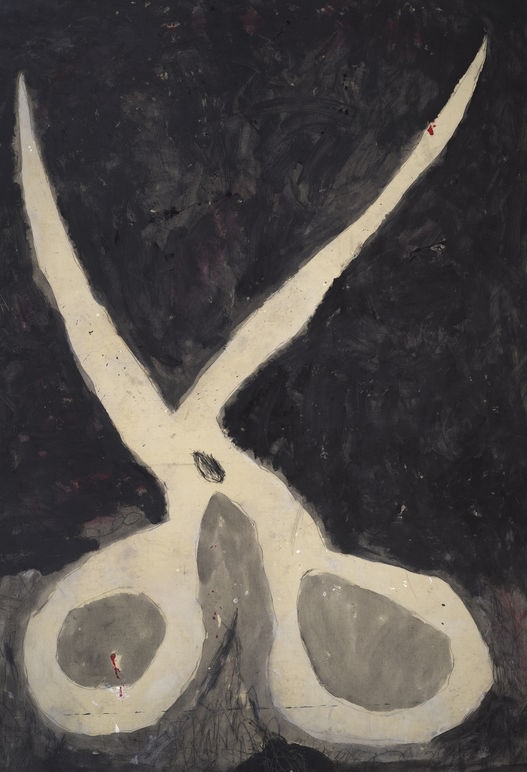
Eugene J. Martin (1938–2005) developed a distinctive body of work within American art of the second half of the twentieth century, characterised by a free, satirical and deeply personal form of abstraction. Influenced by Cézanne, Picasso, Kandinsky, Klee and Miró, his practice evolved from figuration towards a unique visual language populated by biomorphic forms, balanced compositions and a constant, subtle humour.
His so-called satirical abstraction is marked by great gestural freedom and an exceptional sensitivity to colour. Strange, almost organic creatures emerge in drawings and paintings that convey a sense of serene joy and quiet vitality. Martin worked fluently across a wide range of techniques — ink, pencil, gouache, watercolour and collage — demonstrating both technical mastery and a remarkable talent as a colourist.
This exhibition brings together works from three significant series from the 1970s and 1980s: the oval drawings (1971–1973), the graphite pencil drawings (1977–1978) and the ink drawings made with a bamboo pen (1982). Together, they offer a rich and coherent insight into the work of an original and independent artist who remains under-recognised in Europe.