Germaine Dulac. Je n’ai plus rien
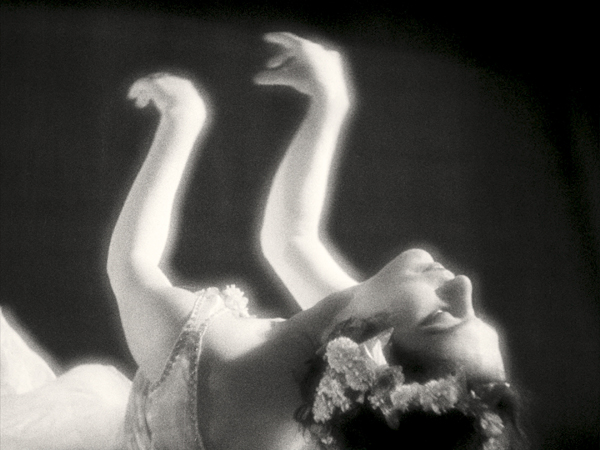
Curated by Imma Prieto, director of the Museu Tàpies, and Imma Merino, film critic and university lecturer, this exhibition dedicated to Germaine Dulac proposes a reflection on how the avantgardes reduced the profile of certain artists who challenged hegemonic and heteropatriarcal discourses, as imposed by society between the wars. This exercise involves reviving the memory of a period when many of these women were relegated to obscurity by art history, despite the fact that their practices were fundamental for the development of 20th-century artistic movements.
With the aim of exploring archives and accentuating the notion of the importance of cyclical time—something that is very characteristic of Tàpies’ career as well—we look to the past to return to the future, conducting historical research and discovering silenced voices, while at the same time seeking connections with the arrangement of imagery, from a surrealistic perspective shared with the exhibition on Antoni Tàpies.
In 1927, Germaine Dulac directed the medium-length film La Coquille et le clergyman [The Seashell and the Clergyman], which was not shown until a year later, in 1928. It is considered the first surrealist film, preceding the famous Un chien andalou by Luis Buñuel, from 1929. With a script created by the poet Antonin Artaud, the film depicted the obsession of a clergyman for a woman married to a general.
Filmmaker Mercedes Álvarez has created a newly created piece entitled “Germaine Dulac. Who’s Afraid of Cinema?”, a compilation of different Dulac films where the French artist’s perspectives on the representation of the female body and the dismantling of desire are revealed.