Tarantism. Joachim Koester
Tarantism is a condition resulting from the bite of the wolf spider, originally known as the tarantula. The bite causes numerous symptoms in the victim: nausea, difficulties in speech, delirium, heightened excitability and restlessness. The bodies of the bitten are seized by convulsions that previously could only be cured by a sort of frenzied dancing. Even the Bishop of Polignano, who in the seventeenth century allowed himself to be bitten to disprove the cure, felt compelled to dance to relieve his symptoms.
This “dancing-cure” called the Tarantella emerged during the Middle Ages as a local phenomenon in and around the city of Galatina, in southern Italy, and was widespread in the region up until the middle of the twentieth century. Since then, the Tarantella has evolved from a form of uncoordinated movement, where people would “quiver and hurl their heads, shake their knees, grind their teeth and make the actions of madmen”, into a highly stylized dance for couples.
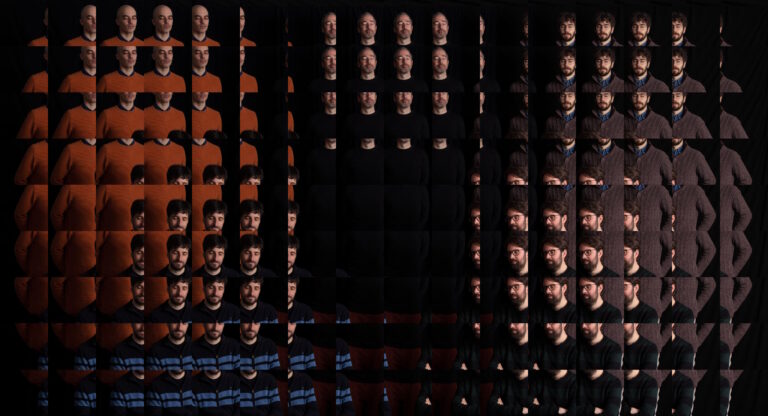
Joachim Koester’s interest in tarantism is tied to its original form: a dance of uncontrolled and compulsive movements, spasms and convulsions. In the film he utilizes this idea to generate the movements of the dancers. In six individually choreographed parts, the dancers attempt to explore a type of grey zone: the fringes of the body, or what might be called the body’s terra incognita.
Loop Festival 2026