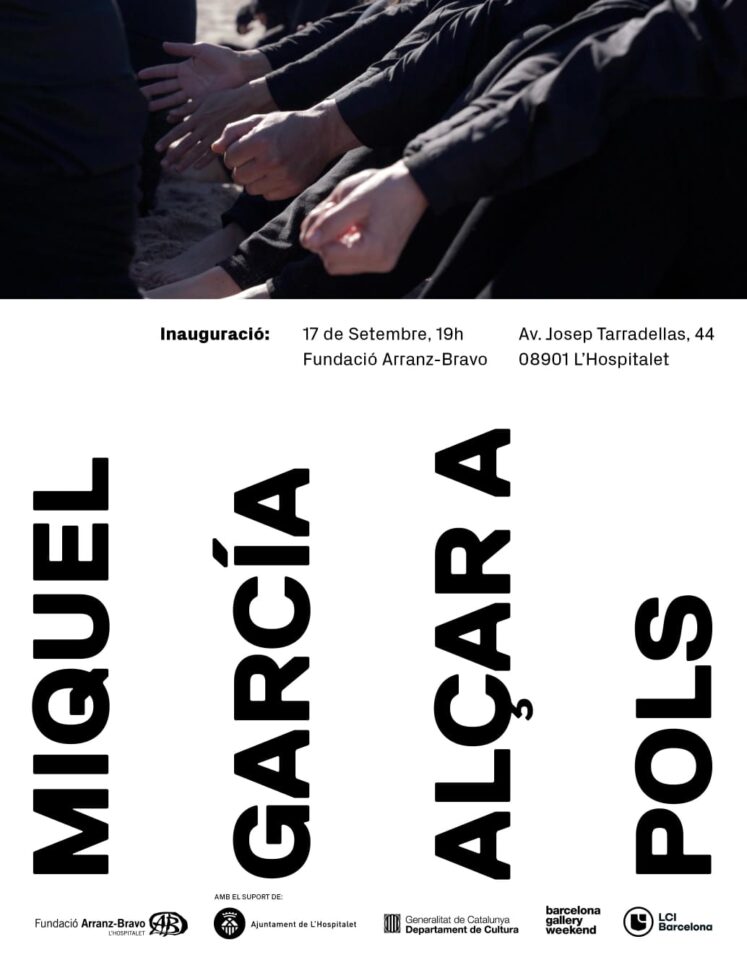
Miquel Garcia. Alçar a Pols
The remote origins of the muixeranga remain a great mystery. It is generally accepted that the muixeranga derives from the tradition of acrobats from the Maghreb. This hypothesis is based mainly on the similarities between some muixeranga figures and those performed by acrobats, the Andalusi cultural heritage, and the presence of Morisco populations in the Valencian lands until 1609.
However, this hypothesis remains inconclusive. As muixeranguer Pau Pertegaz points out, the origins of the muixeranga may also be connected to the African Black enslaved population of the former Crown of Aragon. In some way, the beginnings of human tower building in the Valencian Country may be related to this social group, largely silenced by official history, yet omnipresent through blackface in the modern and contemporary periods, leading processions, pageants and public parades.
Various cultures among the peoples of the African coast also have traditions of building human towers. Alçar a pols, in muixeranga terminology, is an expression used to describe the gesture of lifting people from one level with one’s hands and raising them to the level above. The project proposes using the muixeranga as a strategy to investigate its uncertain origins and to bring to the surface — to raise — one of the most hidden episodes in Valencian history: slavery.
Alçar a pols operates in two directions: on the one hand, through a decolonial research process addressing this hypothesis; and, on the other, through a collective project with the Jove Muixeranga de València, with the aim of translating the findings of the research and the contemporary experiences of migrants into new human-tower figures.